
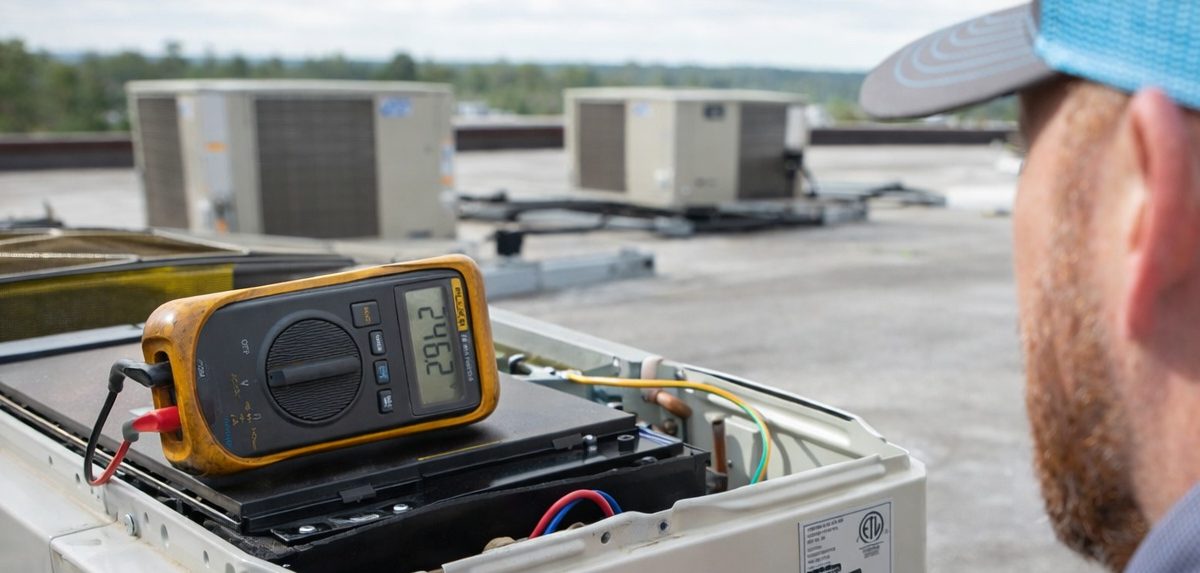
Commercial AC Repair for Tulsa Businesses
Commercial AC problems can create more than discomfort. When an office, warehouse, retail store, or other commercial space starts getting too warm, it can lead to employee complaints, frustrated customers, reduced productivity, and added strain on your HVAC equipment. In Oklahoma heat, even a small cooling issue can quickly become a bigger problem if it is not addressed early.
If your commercial AC is not cooling properly, there are several possible causes. Some are simple. Others require professional diagnosis and repair. The key is understanding the warning signs and acting before the problem leads to a full breakdown.
At Air Assurance, we help Tulsa-area businesses identify and resolve commercial HVAC issues before they disrupt operations. Below are 7 of the most common reasons a commercial AC system may not be cooling the way it should.
1. Dirty Air Filters Restricting Airflow
One of the most common reasons a commercial AC system struggles to cool is restricted airflow caused by dirty air filters. Commercial systems often run for long hours and move a large volume of air each day. Over time, filters collect dust, debris, and airborne particles that can reduce airflow and make the system work harder than it should.
When filters are clogged, you may notice:
- weak airflow from vents
- uneven cooling throughout the building
- higher utility bills
- longer run times
- warm areas in certain offices or zones
In office buildings, warehouses, and retail spaces, dirty filters are easy to overlook, especially when maintenance schedules are inconsistent. Replacing filters on time is one of the simplest ways to help a commercial AC system perform better.
2. Thermostat or Control Problems
Commercial HVAC systems are often more complex than residential systems. Many use multiple thermostats, zoning controls, timers, or building automation settings. If one of those controls is off, faulty, or improperly programmed, your AC may run incorrectly or fail to cool the building as expected.
Control-related issues can cause:
- the system not to turn on when needed
- certain areas to stay warmer than others
- the fan to run without proper cooling
- cooling cycles that stop too soon
- inconsistent temperatures during business hours
In some cases, the HVAC equipment itself may be fine, but the thermostat, sensors, or control settings are creating the problem. This is one reason commercial HVAC service should include more than just checking whether the unit powers on.
3. Low Refrigerant or a Refrigerant Leak
If a commercial AC system is low on refrigerant, it will have trouble removing heat from the building. That means the unit may run, but it will not cool effectively. Low refrigerant can be caused by a leak, damaged coil, loose connection, or another problem in the system.
Possible signs include:
- AC running constantly without reaching the set temperature
- warm air coming from vents
- reduced cooling during the hottest part of the day
- ice forming on coils or refrigerant lines
- rising indoor humidity
Commercial refrigerant issues should be addressed promptly. Simply adding refrigerant without diagnosing the source of the loss does not solve the real problem. A proper repair helps restore cooling performance and protects the system from additional damage.
4. Dirty Condenser Coils
Commercial HVAC units, especially rooftop units, are exposed to Oklahoma dust, pollen, wind, and outdoor debris. Over time, condenser coils can become dirty and lose their ability to reject heat efficiently. When that happens, the system may run longer, cool less effectively, and operate under more stress.
Dirty condenser coils can lead to:
- poor cooling performance
- overheated components
- higher energy use
- increased wear on compressors
- shortened equipment life
This issue is especially common in rooftop equipment serving offices, retail stores, and warehouse spaces. Preventive maintenance and coil cleaning can make a major difference in system performance during hot weather.
5. Blower Motor or Fan Problems
Commercial AC systems depend on fans and blowers to move conditioned air through the building and expel heat from the equipment. If a blower motor is failing, a fan is damaged, or an electrical issue affects fan operation, the system may not cool the building properly.
You may notice:
- weak airflow from vents
- unusual noises
- hot and cold spots
- equipment cycling abnormally
- a unit that seems to run but does not cool well
In commercial properties, poor airflow can quickly impact comfort across multiple rooms or zones. What begins as one failing component can create much larger cooling complaints throughout the building if not handled quickly.
6. Failing Capacitors or Other Electrical Components
Commercial AC systems rely on a variety of electrical components to start, run, and cycle properly. Capacitors, contactors, relays, and other parts can wear out over time, especially during periods of heavy demand. When one of these parts begins to fail, the equipment may become unreliable or stop cooling altogether.
Electrical component problems may cause:
- hard starting
- short cycling
- intermittent cooling
- humming noises
- sudden system shutdowns
These issues are often easy to miss early on because the system may still run part of the time. For business owners and property managers, that can be frustrating because the building may seem comfortable one day and too warm the next.
7. Aging Equipment or Deferred Maintenance
Many commercial cooling problems are the result of equipment age and lack of regular maintenance. Rooftop units and other commercial HVAC systems work hard, and years of wear can reduce efficiency, weaken components, and increase the likelihood of breakdowns.
Older equipment may struggle with:
- keeping up during hotter temperatures
- maintaining even cooling throughout the building
- controlling humidity
- operating efficiently
- avoiding repeated repairs
Deferred maintenance often makes the situation worse. Small problems such as dirty coils, worn belts, low airflow, or aging electrical parts can build up until the system can no longer perform the way your business needs it to.
Signs It Is Time to Call for Commercial HVAC Service
A commercial AC problem does not have to be a complete breakdown before it deserves attention. Call for service if you notice:
- employees or tenants complaining about warm indoor conditions
- one part of the building cooling while another stays hot
- your rooftop unit running longer than normal
- weak airflow from vents
- rising humidity indoors
- unusual sounds or odors from equipment
- repeated thermostat adjustments with little improvement
- high energy bills without a clear explanation
The earlier a problem is diagnosed, the better the chance of avoiding a larger repair and minimizing disruption to your business.
Commercial HVAC Service for Tulsa Businesses
Every commercial property has different cooling demands. Office buildings, warehouses, retail stores, churches, and mixed-use spaces all rely on dependable HVAC performance to keep people comfortable and operations running smoothly. A system that is not cooling properly can affect more than indoor temperature. It can affect morale, customer experience, and day-to-day business activity.
Air Assurance provides commercial HVAC service in Tulsa for businesses that need reliable help with cooling issues, system performance concerns, and ongoing maintenance needs. Whether your building has a rooftop unit, zoning issues, airflow problems, or a system that simply is not keeping up, our team can help identify the cause and recommend the right solution.
If your commercial AC is not cooling in Tulsa, do not wait for a minor issue to turn into a major disruption. Getting the system inspected early can help restore comfort, protect your equipment, and keep your business operating as it should.
FAQs
Why is my commercial AC running but not cooling?
A commercial AC system may run without cooling properly because of dirty filters, thermostat or control issues, low refrigerant, dirty condenser coils, fan problems, electrical component failure, or aging equipment.
How often should commercial HVAC systems be serviced?
Most commercial HVAC systems should be professionally inspected and serviced at least twice a year, typically before the cooling season and before the heating season. Some buildings may benefit from more frequent maintenance depending on usage and environment.
Can a dirty filter make a commercial building feel hot?
Yes. A dirty filter can restrict airflow, reduce cooling performance, and make certain areas of a building feel warmer than others. It can also increase strain on the HVAC system.
What is the most common cause of a rooftop unit not cooling?
Common rooftop unit cooling problems include dirty coils, restricted airflow, refrigerant issues, electrical component failure, and thermostat or control problems.
When should a business call for commercial AC repair?
A business should call for service when the building has uneven cooling, weak airflow, rising humidity, unusual equipment noises, higher energy bills, or a system that runs constantly without reaching the set temperature.
Do warehouses and offices have different HVAC cooling issues?
Yes. Warehouses often deal with large open spaces, heat load challenges, and airflow issues, while offices may have zoning problems, occupancy-related temperature complaints, and thermostat or control issues. Both require proper commercial HVAC diagnosis.
Schedule Commercial AC Service in Tulsa Today
If your commercial AC system is not cooling properly, don’t wait for the problem to disrupt your business operations. What starts as uneven cooling or weak airflow can quickly turn into a full system failure—especially during Oklahoma heat.
Air Assurance provides reliable commercial HVAC service in Tulsa for offices, warehouses, retail spaces, and other light commercial buildings. Whether you are dealing with a rooftop unit issue, airflow problem, or a system that simply is not keeping up, our team is ready to help.
Call Air Assurance at 918-258-2665 anytime to schedule commercial AC service in Tulsa.